
Concrete Slab & Foundation Work
Solid foundations built right the first time to support your home, garage, shed, or addition for generations.
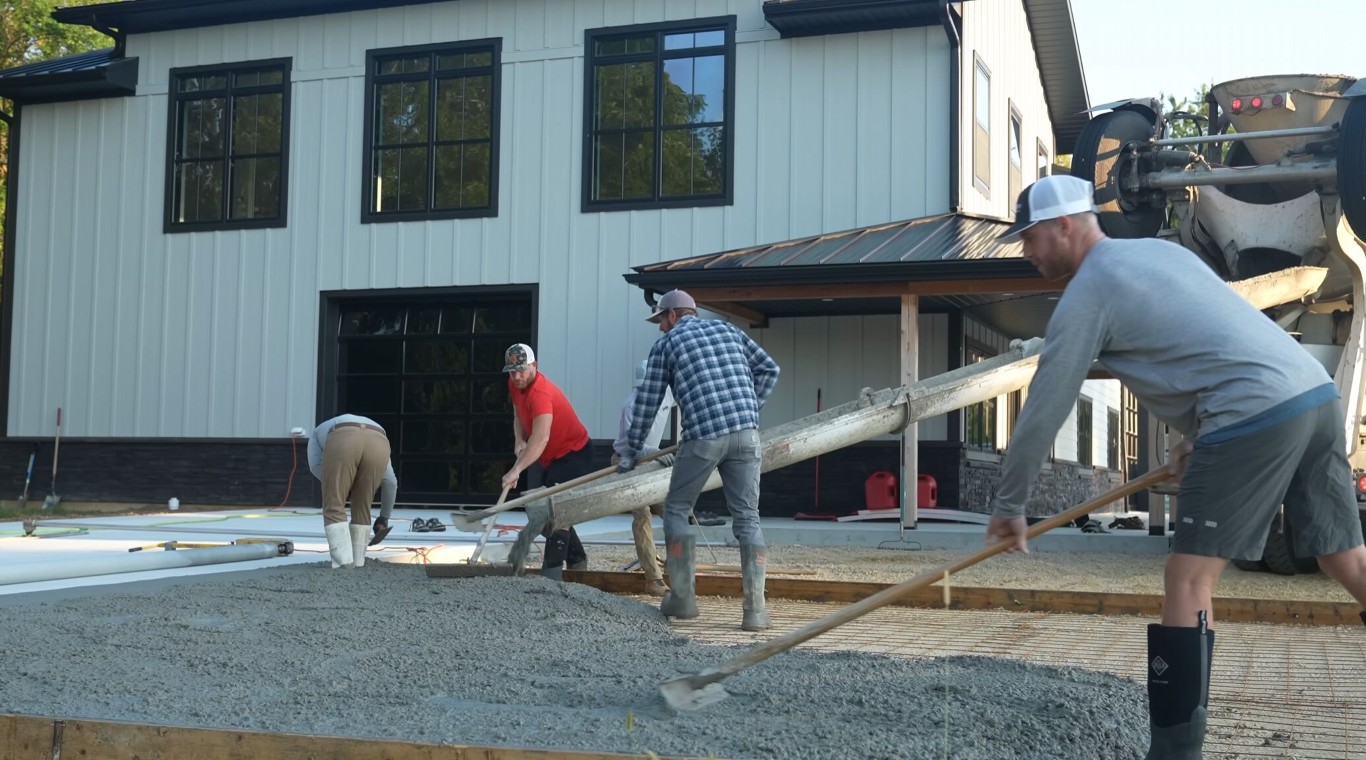
The Importance of Quality Foundation Work
Your foundation is the most critical part of any structure. Everything else sits on top of it. If the foundation fails, everything above it suffers. Cracked walls, stuck doors, uneven floors, and structural damage all trace back to foundation problems. That is why getting it right from the start matters so much. You cannot afford to cut corners or rush through foundation work. The money you might save today will cost you far more in repairs down the road.
Concrete slab foundations are popular in Florida because they work well with our climate and soil conditions. Unlike crawl spaces or basements, slabs sit directly on the ground with minimal exposure to moisture and pests. They provide a solid, level platform for building. When properly installed, a concrete slab foundation will support your structure for 50 years or more without major issues. The key is proper site preparation, correct concrete mix, adequate reinforcement, and professional installation.
Here in University, FL, we deal with sandy soil that can shift and settle. We also get heavy rainfall that can wash away poorly prepared bases. Our foundation work takes these local conditions into account. We compact the soil thoroughly, ensure proper drainage, and use the right concrete specifications for our area. When you hire us for foundation work, you get contractors who understand what it takes to build a lasting foundation in Florida soil and climate.
Types of Slab Foundations We Install
We install several types of concrete slab foundations depending on your project needs. The most common is a monolithic slab where the foundation and floor are poured in one piece. This design is economical and works well for garages, sheds, and simple structures. The slab includes thickened edges that act as footings, eliminating the need for separate foundation walls. Monolithic slabs are fast to install and perform well on stable soil.
Common Foundation Types
- Monolithic slabs for garages, sheds, and simple structures
- Stem wall foundations with separate footings and walls
- Post-tension slabs for larger buildings or challenging soil
- Floating slabs for areas with expansive or unstable soil
- Thickened edge slabs for residential construction
- Reinforced slabs for commercial applications and heavy loads
For residential homes and larger buildings, we often use stem wall foundations. These consist of concrete footings below grade connected to vertical walls that support the slab. This design provides extra strength and works well on sloped sites or where the building needs to be elevated. Stem walls also create space for plumbing and electrical runs before the slab is poured.
Post-tension slabs use steel cables tensioned after the concrete cures. This creates a stronger, thinner slab that resists cracking better than conventional reinforcement. Post-tension slabs work well on expansive soils that move with moisture changes. They cost more upfront but save money on repairs over time. We recommend post-tension for larger homes or sites with known soil issues. Whatever type of foundation your project needs, we have the experience and equipment to install it correctly.
Our Foundation Installation Process
Foundation work starts long before we pour any concrete. First, we review building plans and verify lot measurements. We mark out the exact location of the foundation based on survey stakes and setback requirements. Then we excavate to the proper depth, removing topsoil and organic material that would compress over time. The excavation depth depends on frost line requirements, soil conditions, and the foundation design.
After excavation, we grade and compact the soil. This step is critical. Loose or uneven soil will settle and cause the foundation to crack or sink. We use compaction equipment to achieve proper density throughout the excavation. If we encounter soft spots or unsuitable soil, we remove it and replace it with engineered fill. On sites with poor drainage, we install perimeter drains to keep water away from the foundation.
Next comes the base material. We add a layer of gravel or crushed stone and compact it thoroughly. This base layer provides uniform support and helps with drainage. On top of the base, we place a vapor barrier to prevent moisture from wicking up through the concrete. Then we set forms to define the foundation shape and install reinforcement. This might be rebar, wire mesh, or post-tension cables depending on the foundation design.
The concrete pour requires careful coordination. We use the correct concrete mix for foundation work, which differs from mixes used for driveways or patios. As we pour, we vibrate the concrete to eliminate air pockets and ensure it fills all spaces around reinforcement. We level and smooth the surface, then begin the curing process. Proper curing is essential for foundations. We protect the fresh concrete from rapid drying and temperature extremes for at least seven days. This allows it to gain the strength needed to support your structure.