
Sidewalks, Walkways & Flatwork
Safe, attractive pathways that connect your home to your yard, driveway, and street with style.
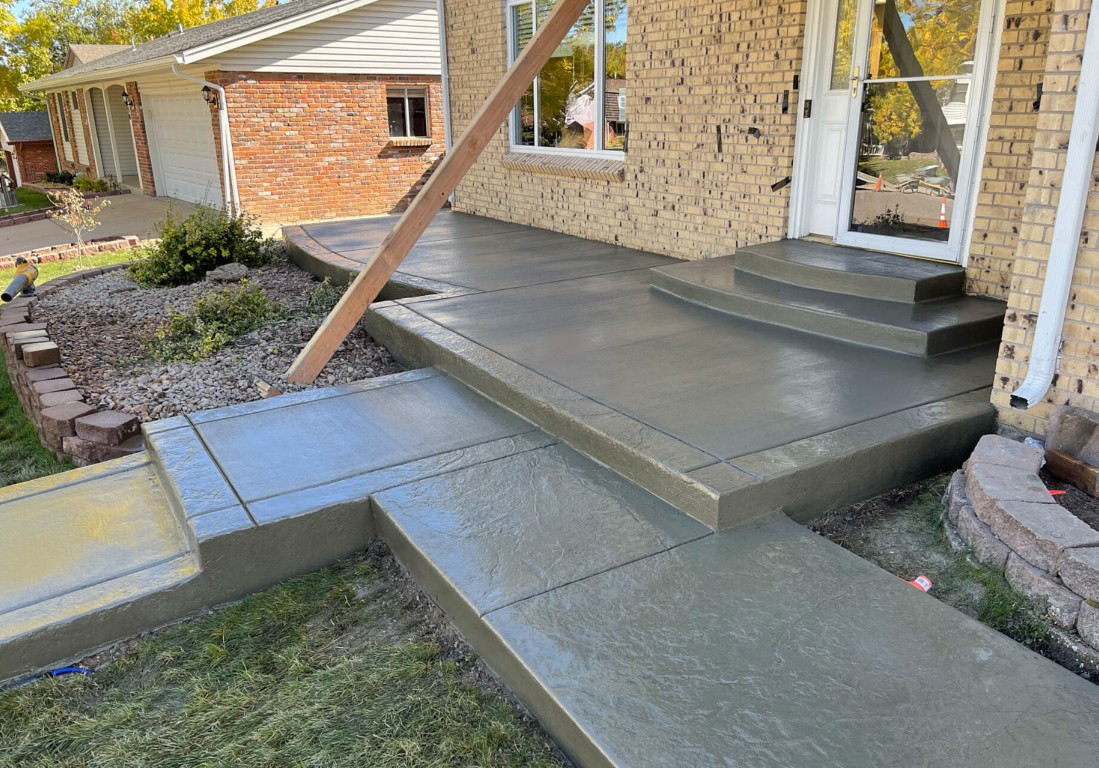
Why Concrete Sidewalks and Walkways Matter
Your walkways are more than just paths from point A to point B. They guide visitors to your door, provide safe routes around your property, and contribute to your overall curb appeal. Well-designed concrete walkways enhance your landscape and make your property more functional. They eliminate muddy paths, prevent grass wear, and create clean lines that define your outdoor spaces. In University, FL, where we get regular afternoon rain, solid walkways keep you out of puddles and mud year-round.
Concrete is the best material for sidewalks and walkways in our climate. It stands up to rain, heat, and traffic without breaking down like gravel or wood chips. It does not rot, shift, or create uneven surfaces like pavers can over time. Concrete walkways stay level and safe with minimal maintenance. A simple occasional cleaning is usually all they need to look good for decades. This durability makes concrete an excellent value compared to materials that require regular replacement or repairs.
Types of Flatwork We Install
- Front walkways from street or driveway to entrance
- Side yard paths connecting different outdoor areas
- Garden walkways through landscaping and planting beds
- Pool deck surrounds and access paths
- Shed and storage building access paths
- Pet runs and service area walkways
- ADA-compliant accessible routes and ramps
When we design concrete walkways for your property, we think about both function and appearance. The path should take the natural route people want to walk, not force awkward turns or unnecessary distances. Width matters too. A front walkway should be at least 4 feet wide so two people can walk side by side comfortably. Side paths can be narrower at 3 feet. We also consider slopes for proper drainage and accessibility.
Design and Customization Options
Concrete walkways do not have to be plain gray strips. Modern techniques offer many ways to customize the look. Broom finishes add texture and improve traction in wet weather. Exposed aggregate shows decorative stones and creates visual interest. For a more upscale appearance, stamped concrete can mimic brick, stone, or tile patterns at a fraction of the cost of those materials.
Color options let you match or complement your home exterior. Integral color mixes pigment throughout the concrete for uniform, lasting color. Stains and dyes can create earth tones or bolder hues. You can even combine colors to create borders or accent bands. These design touches turn a basic walkway into a landscape feature that enhances your property value.
Curved walkways add elegance and work well in naturalistic landscapes. Straight paths suit formal designs and provide the most direct routes. We can incorporate steps where grades change, create landings at doors or decision points, and add borders to define edges. The layout should work with your existing landscape and complement your home's architecture. During planning, we discuss your preferences and suggest designs that fit your property and budget.
Width and thickness also vary based on use. A lightly used garden path can be 3 feet wide and 4 inches thick. A main walkway that sees heavy traffic should be 4 to 5 feet wide and at least 4 inches thick. If you need wheelchair or walker access, we follow ADA guidelines for width, slope, and surface texture. Proper planning ensures your walkway meets your needs and local building codes.
Installation Process and Timeline
Installing a concrete walkway starts with layout and excavation. We mark the path location and width using string lines and stakes. Then we excavate to the proper depth, typically 6 to 8 inches total. This allows room for the base material and concrete thickness. We grade the bottom for proper drainage, sloping the path slightly so water runs off to the sides. Standing water leads to ice in cold weather and creates slip hazards.
After excavation, we add and compact a gravel base. This base prevents settling and provides a stable foundation. For walkways, we typically use 2 to 4 inches of compacted gravel. More may be needed in areas with poor soil. The base also improves drainage by letting water percolate down instead of pooling under the concrete. Good base preparation is key to long-lasting walkways that stay level and crack-free.
Next we set forms to define the walkway edges. Forms create clean, straight edges and hold the concrete in place while it cures. For curved walkways, we use flexible form material that bends smoothly. We double-check measurements and slopes before pouring. Once forms are ready, we pour the concrete and work it into place. We smooth the surface, add texture if desired, and cut control joints to manage cracking. Control joints should be placed every 4 to 6 feet along the walkway.
Most walkway projects take 2 to 3 days from start to finish. Day one is excavation and base work. Day two is forming and pouring. Day three is for curing and form removal. You can walk on the walkway after about 24 hours, but give it a full week before driving heavy equipment over it. Like our driveway work, proper curing is essential for long-term performance. We protect the fresh concrete from rapid drying and temperature extremes to ensure it reaches full strength.
Frequently Asked Questions
Ready for New Walkways?
Contact us today for a free quote on your concrete walkway project.
(352) 358-2095