Stamped & Decorative Concrete
Get the high-end look of stone, brick, or tile at a fraction of the cost with durable stamped concrete.
What Is Stamped Concrete
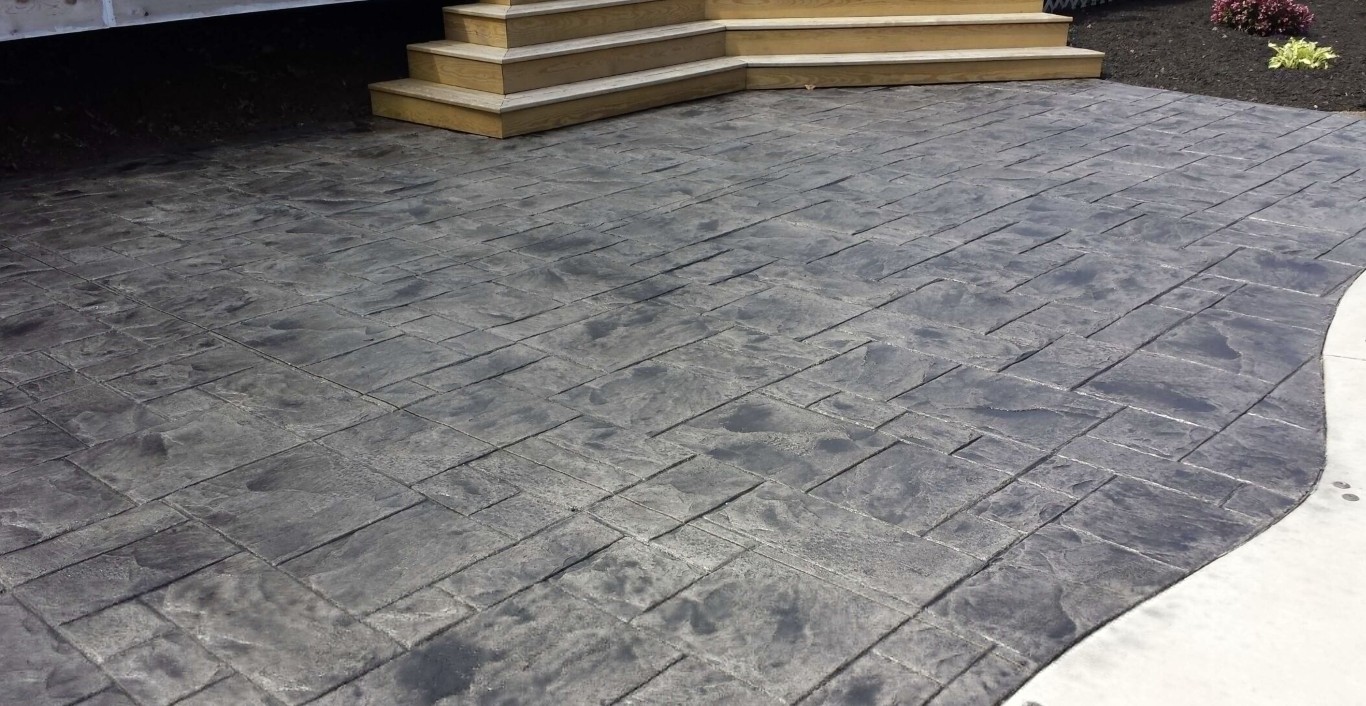
Stamped concrete lets you create the look of expensive materials without the expensive price tag. The process involves pressing patterns into fresh concrete to mimic stone, brick, slate, tile, or even wood planks. The result looks remarkably realistic. From a few feet away, most people cannot tell the difference between stamped concrete and the real thing. But the cost difference is significant. You can get a stamped concrete patio for half or less what you would pay for natural stone or pavers.
The technique works because concrete is moldable when fresh. We pour and level the concrete like any other project. Before it hardens, we apply color and press texture mats into the surface. These mats are made from rubber or polyurethane with detailed patterns copied from real materials. As we press them into the concrete, they leave behind texture and joint lines. After the concrete cures, we seal it to protect the surface and enhance the colors. The finished product has the look and texture of premium materials with all the durability of concrete.
Popular Stamped Patterns
- Ashlar slate for an elegant natural stone appearance
- Cobblestone for a classic Old-World European look
- Running bond brick for traditional brick paver style
- Random stone for irregular flagstone patterns
- Wood plank for a rustic timber deck appearance
- Seamless texture for a subtle organic surface
- Custom designs that combine multiple patterns
When we install stamped concrete at your University, FL property, we help you choose patterns and colors that complement your home's style. The options are nearly endless. You can match existing materials, create contrast for visual interest, or design something completely unique to your taste.
Benefits Over Other Materials
Stamped concrete offers advantages that go beyond just appearance. Cost is the most obvious benefit. Natural stone can run $20 to $40 per square foot installed. Brick pavers cost $15 to $30 per square foot. Stamped concrete typically costs $10 to $18 per square foot. That difference adds up fast on larger projects. A 400 square foot patio in natural stone might cost $10,000. The same patio in stamped concrete could be $5,000 or less.
Maintenance is another big advantage. Individual pavers can shift, settle, and come loose over time. Weeds grow up between them. You spend time and money on repairs. Natural stone can stain and requires periodic sealing. With stamped concrete, you have one solid surface. There are no joints for weeds to exploit. The surface will not shift or settle like individual pavers. Cleaning is simple, just sweep and hose it off occasionally. Reseal every few years and you are done.
Durability matters too. Stamped concrete handles weather, traffic, and time better than many alternatives. It will not rot like wood decking or crack like thin pavers. The color goes through the surface layer, so normal wear will not expose plain concrete underneath. Properly installed and maintained stamped concrete looks good for 20 to 30 years or more. That kind of longevity makes it one of the smartest choices for patios, walkways, and outdoor living spaces.
Installation speed is another benefit. Installing individual pavers is labor-intensive and time-consuming. Natural stone requires careful fitting and mortaring. Stamped concrete goes down much faster. We can complete most patio projects in a few days. Less time on site means lower labor costs and less disruption to your daily life. You get back to using your outdoor space sooner.
The Stamping Process
Creating beautiful stamped concrete requires skill and timing. The process starts like any other concrete project with proper site preparation. We excavate, build a solid base, set forms, and prepare for the pour. The difference comes after we place the concrete. Once the concrete is poured and leveled, we have a limited window to apply color and stamping before it gets too hard. This is where experience matters most.
We apply color in two stages. First, we broadcast a color hardener onto the surface and work it into the concrete. This gives the base color and adds surface strength. Then we apply a release agent that provides accent color and prevents the stamps from sticking. The release agent settles into the texture creating depth and variation like real stone or brick. We choose colors carefully to match your design goals and existing materials.
The actual stamping requires coordination and speed. We place the texture mats on the concrete and press them down with hand tools or by walking on them. Each mat must align properly with the previous one to maintain the pattern. We work systematically across the surface, moving mats forward as we complete each section. Getting consistent depth and clear texture takes practice. Too light and the pattern looks fake. Too deep and the concrete can crack. We have the experience to get it just right.
After stamping, the concrete needs to cure. We protect it from rain, direct sun, and foot traffic for several days. Once cured, we clean the surface and apply sealer. The sealer protects against stains, enhances the colors, and gives the surface a slight sheen. Some homeowners prefer a matte finish, others like high gloss. We can adjust the sealer to match your preference. The sealer also makes the surface easier to clean and helps maintain the color over time. Like our driveway work, proper sealing and maintenance keeps stamped concrete looking fresh for decades.